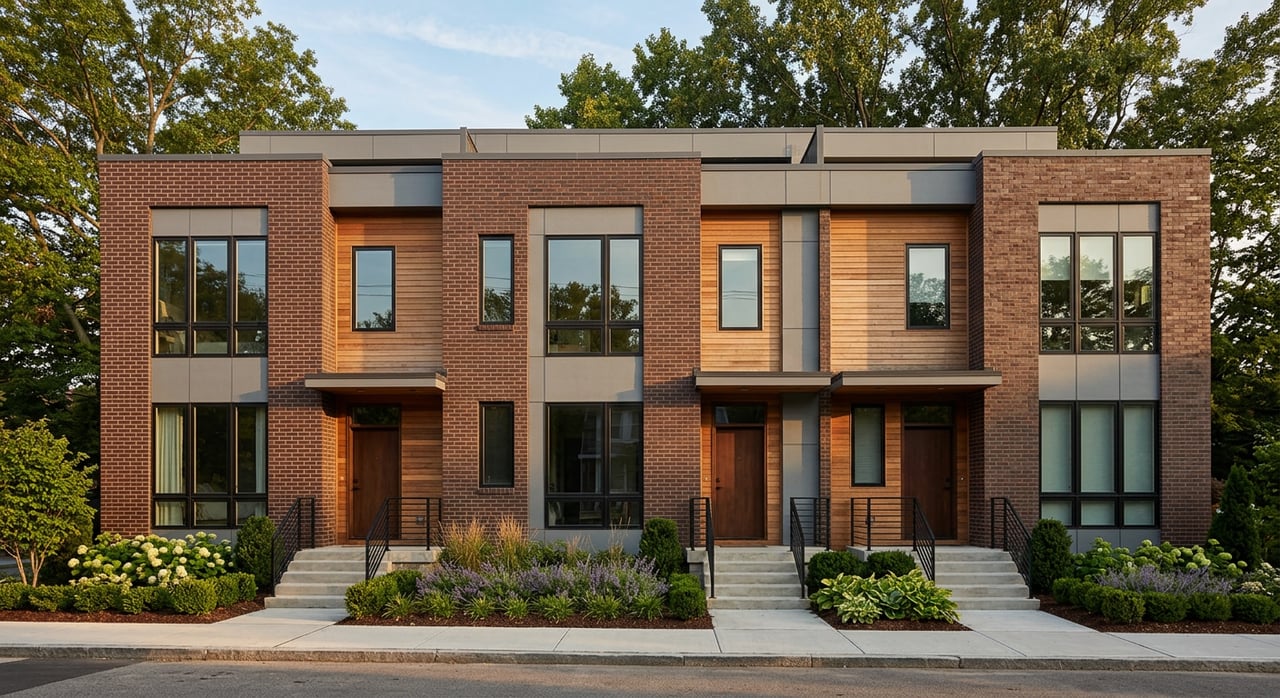
Torn between a low‑maintenance Cary townhome and the space of a single‑family house? You are not alone. Many Triangle buyers weigh budget, upkeep, and lifestyle before choosing. In this guide, you will learn how each option stacks up on costs, space, financing, and resale in Cary so you can move forward with confidence. Let’s dive in.
Cary market snapshot
Cary’s market has shifted to a more balanced pace since the early 2020s. Recent snapshots show a townwide median sale price around $580,000 (Feb 2026), while a separate valuation index places the average home value near $611,000 as of late January 2026. These measures use different methods, but together they frame the current window for pricing.
Attached homes, including townhomes, often list and sell below detached homes in the same neighborhood. In Cary, you will commonly see townhomes in the low‑to‑mid $300Ks up to the mid‑$400Ks and beyond for newer or larger end units. Detached single‑family homes more often range from about $500K to $900K and higher, depending on the neighborhood and lot size. The gap varies widely by area, so compare recent sold comps in your target pocket rather than relying on a single townwide number.
Price and affordability: what to expect
- Townhomes and other attached options: often low‑to‑mid $300Ks to $500K+, with some premium units higher.
- Detached single‑family: more commonly $500K–$900K+, with certain neighborhoods trending higher.
- Why the difference: Land value and larger average size typically push detached pricing higher. Town planning data shows attached units around a 1,200 sq ft median compared to roughly 2,400 sq ft for detached homes. You will usually trade some interior square footage and yard size for a lower entry price with many townhomes. See the Town of Cary’s housing plan for context on typical sizes and housing mix in the area in recent years. Town of Cary Housing Plan
Monthly costs: HOA, taxes, and upkeep
Your monthly payment is more than principal and interest. In Cary, compare the full picture.
HOA fees and what they cover
Many townhome communities include exterior maintenance and landscaping through an HOA. Typical suburban townhome dues in Cary often fall between about $100 and $350 per month. Communities with extensive amenities or certain age‑restricted communities can run higher. Always confirm what the fee covers, including exterior insurance, roof reserves, trash, pool, landscaping, roads, and whether there is healthy reserve funding.
Detached homes usually have no HOA or a lower HOA if present, but you will shoulder all exterior maintenance yourself. Budget for items like roof, siding, gutters, driveway, and lawn care over time.
Property taxes: quick example
Wake County and the Town of Cary set separate rates that combine on your bill. For FY 2026, Wake County’s adopted rate is about 51.60 cents per $100 of assessed value and the Town of Cary’s municipal rate is $0.34 per $100. Together, that totals about $0.856 per $100. Review the county and town budget sources for current figures:
- Wake County FY 2026 Adopted Budget tax rate. Wake County FY26 Budget
- Town of Cary FY 2026 budget news release on the municipal rate. Town of Cary FY26 Rate
Illustration: On a $580,000 sale, estimated annual tax is 580,000 / 100 × 0.856, which is about $4,965 per year, or about $414 per month. If you buy a townhome with an HOA of roughly $200 per month, taxes plus HOA would total about $614 per month before principal, interest, and insurance. A detached home at a higher price point will often have a higher monthly tax amount and a larger personal maintenance reserve. Compare line by line for your short list.
Maintenance reserves and planning
A common rule of thumb is to set aside about 1 to 2 percent of the home’s price per year for maintenance. Townhome owners might personally budget a bit less for exterior items because the HOA may handle parts of the exterior, but special assessments can occur. Detached owners cover all exterior care, so reserves matter. Use the home’s age and condition to refine your plan, including the roof, HVAC, windows, and water heater.
Lifestyle fit: privacy, space, and location
Interior and outdoor space
If interior square footage and private yard space top your list, detached homes usually deliver more of both. Recent planning data shows a median of about 2,400 sq ft for detached homes versus about 1,200 sq ft for attached units in Cary. That size gap often translates to more bedrooms, storage, and flexible space in detached homes, plus larger private yards. Town of Cary Housing Plan
Privacy and noise
Townhomes share walls and often have closer setbacks. That can be a fair trade for lower upkeep and community amenities, but if you prioritize separation from neighbors or a quiet backyard, a detached lot is more likely to fit.
Neighborhood patterns
- Townhome clusters often sit near mixed‑use centers and transportation corridors, including areas around Cary Town Center, West Cary, and Carpenter Village pockets. These can offer shorter commutes and convenient amenities.
- Detached homes tend to be more common in established suburban communities with larger lots, such as Preston, Lochmere, Amberly, MacGregor Downs, Twin Lakes, and other pockets near and beyond Cary Parkway. The right choice depends on your daily routines, commute, and preferred amenities.
Financing and insurance: key differences
Fee‑simple vs condo ownership
Some townhomes are fee‑simple (you own the structure and lot), while others are legally condominiums (you own the interior boundaries, and the association manages common elements). That legal difference can change your loan process.
- Fee‑simple townhomes usually follow the same mortgage rules as detached homes.
- Condos can require project‑level underwriting for certain loan types, especially FHA or VA. HUD provides official guidance on condominium project approval and single‑unit approval. Review details early with your lender and agent so financing does not slow you down. HUD condo approval guidance
FHA and VA considerations
HUD’s single‑unit approval path can help when a condo project is not on an approved list, but timing and documentation still matter. Veterans using VA loans should verify whether the project is currently approved or if the lender can complete a unit‑level review. Ask your lender to confirm these items before you make an offer. HUD FHA/VA condo overview
Insurance: HO‑3 vs HO‑6
Check the HOA master policy for coverage type. If the master policy is “all‑in,” you might need a different homeowner policy than if it is “bare‑walls.” Many condo and some townhome buyers carry an HO‑6 policy that covers interior finishes and contents. Fee‑simple owners typically carry an HO‑3 that covers the structure and land. Your insurance agent can size the right coverage once you share the HOA documents.
Resale and demand dynamics
Detached single‑family homes usually draw the broadest buyer pool, which helps support demand in many market cycles. Townhomes and condos often appeal to first‑time buyers, downsizers, and buyers who value location and amenities more than lot size. National buyer profiles show strong interest in attached homes for entry affordability, even though recent first‑time buyer share has been lower than usual. These patterns can influence days on market and price flexibility when you exit. Review the latest highlights to understand national buyer trends. NAR 2025 Buyer and Seller Profile highlights
Locally, attached housing is a smaller share of Cary’s total housing stock, which means submarket supply swings can matter for appreciation. New townhome construction near amenity hubs can be a plus for long‑term value if it drives continued demand, but it can also give buyers more options at resale. For both home types, neighborhood comparables, association health, and proximity to job centers shape your outcome.
Where each option shines in Cary
Choose a townhome if you want
- Lower exterior upkeep with HOA including landscaping and some exterior items.
- Entry pricing that may be more attainable than nearby detached homes.
- Close‑in locations near shopping, dining, and commuter routes.
- Newer finishes and community amenities at a lower total price than a similarly finished detached home nearby.
Choose a detached house if you want
- More interior space for multi‑use rooms, storage, and future needs.
- A private yard for play, pets, gardening, or outdoor projects.
- Greater separation from neighbors and more control over exterior upgrades.
- Broader buyer pool at resale in many Cary submarkets.
A simple side‑by‑side comparison
- Price range: Townhomes commonly low‑to‑mid $300Ks to $500K+; many detached homes $500K–$900K+ and higher.
- Monthly costs: Townhomes add HOA fees that reduce exterior chores; detached owners budget more personally for exterior care.
- Space and privacy: Detached typically offers more interior square footage and yard; townhomes trade some space for convenience and location.
- Financing: Fee‑simple townhomes often mirror detached loans; condos can need project review for FHA/VA. HUD condo guidance
- Resale: Detached homes often have a wider buyer base; townhomes can perform well near walkable nodes and in newer communities, but may be sensitive to new‑build supply.
Quick buyer checklist for Cary
- Set a full monthly budget that includes mortgage principal and interest, property tax, homeowner’s insurance, HOA dues, and a maintenance reserve around 1 to 2 percent of price per year.
- Rank your must‑haves: yard size, bedroom count, parking or garage, commute time, and proximity to daily needs.
- For townhomes and condos: request the HOA budget, most recent reserve study, 12 months of meeting minutes, the master insurance policy, and any history of special assessments. Lenders will review association health, especially for FHA/VA. See HUD’s document list for condo approvals. HUD required condo docs
- For detached homes: order a thorough inspection and price out near‑term capital items like roof, HVAC, windows, and water heater.
- Confirm school assignment directly with Wake County Public Schools and test commute times at your typical travel hours.
- Run comps for both townhomes and detached homes in your target neighborhood. The same zip code can contain different market tiers.
Ready to compare homes in Cary?
If you want a clear, confident path to the right fit, our team is here to help. We will walk you through a line‑by‑line budget, pull neighborhood‑level comps for both townhomes and detached homes, review HOA health, and build a search that aligns with your timeline. When you are ready, connect with The Property Shop Real Estate Co. for tailored guidance and a smooth, step‑by‑step experience.
FAQs
What are typical Cary townhome HOA fees and what do they cover?
- Many Cary townhome communities fall in the $100–$350 per month range, often covering exterior maintenance, landscaping, common‑area upkeep, and sometimes exterior insurance, pools, or roads. Always check the HOA budget and reserve study.
How do Cary property taxes affect my monthly payment?
- Using FY 2026 rates, the combined Wake County and Town of Cary tax rate is about $0.856 per $100 of assessed value. On a $580,000 sale, that is roughly $4,965 per year, or about $414 per month before mortgage and insurance.
Do FHA or VA loans work for townhomes and condos in Cary?
- Fee‑simple townhomes commonly follow standard loan rules, but condos may need project‑level approval or single‑unit review for FHA/VA. Verify early with your lender. See HUD’s guidance for details. HUD condo approval overview
Which offers more privacy in Cary: a townhome or a detached house?
- Detached homes typically provide greater separation, more yard space, and fewer shared walls. Townhomes trade some privacy for lower exterior upkeep and location benefits.
Which tends to have a larger buyer pool at resale in Cary?
- Detached single‑family homes often attract a broader pool of buyers, while townhomes and condos appeal strongly to first‑time buyers and downsizers, especially near walkable or amenity‑rich areas. NAR buyer profile highlights