Buying your first home in Wake Forest can feel exciting right up until the questions start piling up. How much cash do you really need, how fast do you need to move, and what does the North Carolina process actually look like? If you want a clear path from planning to closing, this guide will walk you through each step so you can move forward with more confidence. Let’s dive in.
Why Wake Forest Appeals to First-Time Buyers
Wake Forest offers a mix of convenience, growth, and housing variety that can make it appealing when you are buying your first home. The town has about 56,000 residents and continues to grow, with roughly 1,000 housing starts noted in the town snapshot.
From a location standpoint, Wake Forest also connects well to other parts of the Triangle. The town lists approximate drive times of 5 minutes to North Raleigh via US 1, 35 minutes to Downtown Raleigh, 30 minutes to RTP via I-540, and 20 minutes to Durham via NC-98, with RDU about 25 miles away.
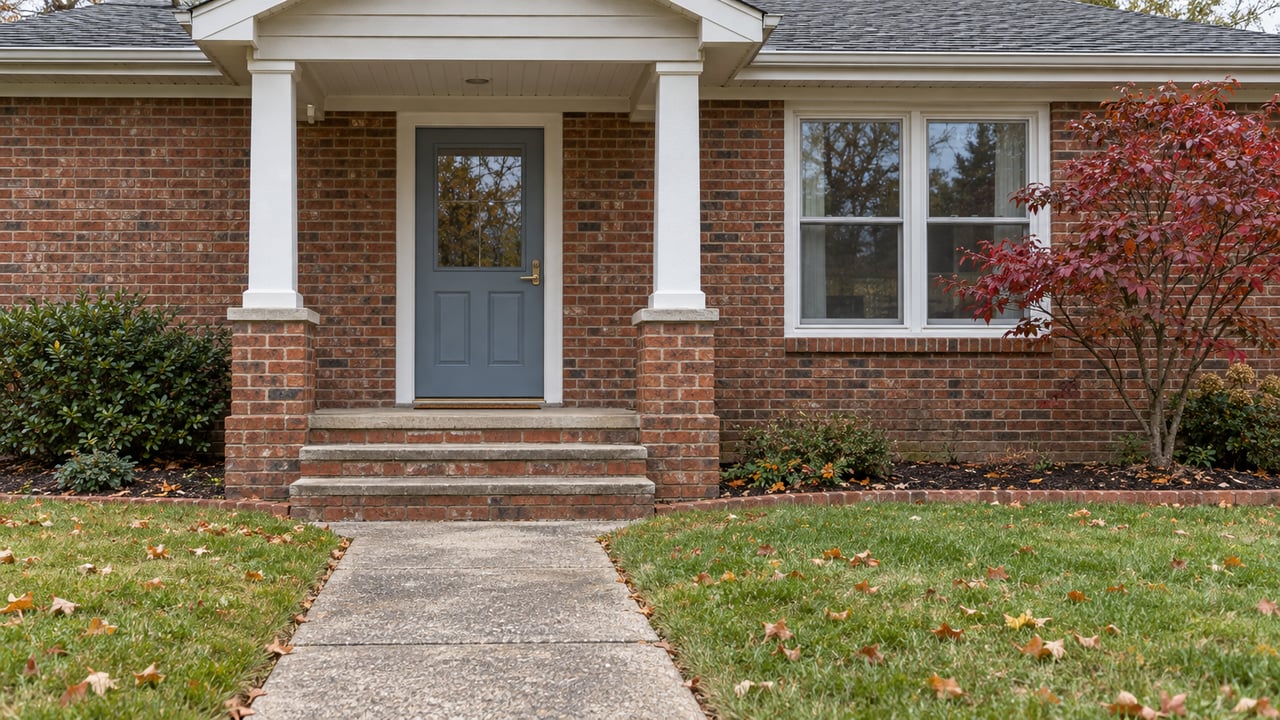
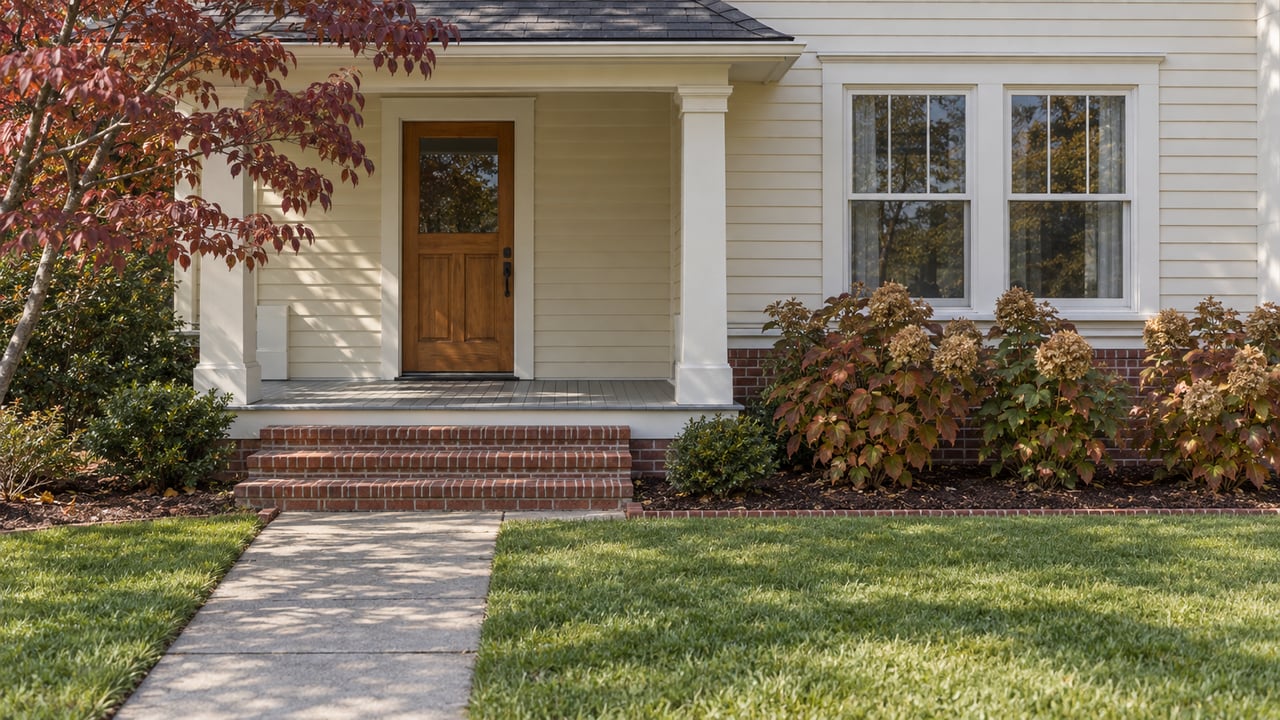
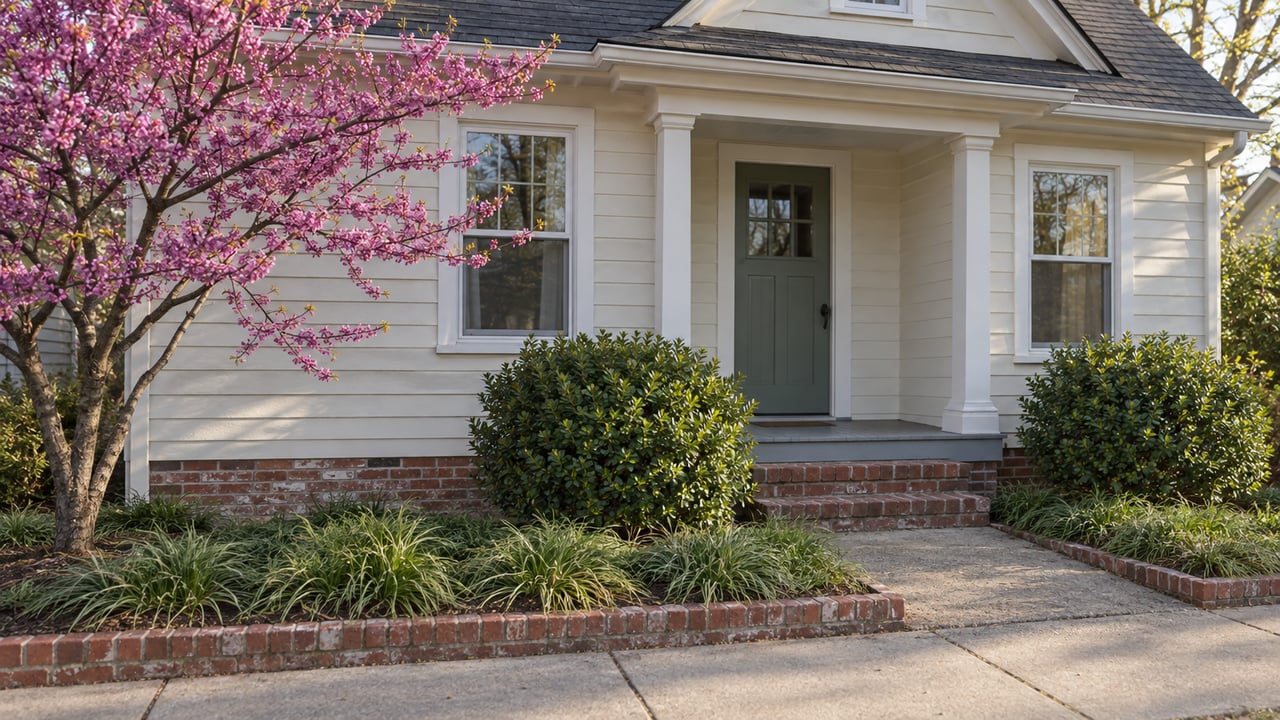
You will also find different types of housing depending on where you look. Wake Forest includes historic districts near downtown and newer planned-community construction in other parts of town, which means your search may include everything from older homes with character to more recently built options.
Step 1: Set Your Budget Early
Before you tour homes, get clear on what you can comfortably afford each month and how much cash you can bring to closing. This step matters even more in a market where preparation can help you act quickly.
Redfin reports that Wake Forest is a somewhat competitive market, with homes receiving about 2 offers on average, selling in about 38 days, and reaching a median sale price of about $490,000 for the three months ending May 2026. That does not mean you need to rush blindly, but it does mean you should know your budget before you fall in love with a home.
When you build your budget, remember that your down payment is only part of the picture. The CFPB says closing costs commonly run about 2% to 5% of the purchase price, not including your down payment.
It is also smart to reserve funds for the expenses that hit right after closing. Those can include moving costs, repairs, furniture, utility setup, property taxes, and homeowners insurance.
A simple cash-to-close checklist
- Down payment
- Closing costs, often 2% to 5% of purchase price
- Moving expenses
- Utility setup costs
- Immediate repairs or maintenance
- A small cushion for furniture or basic updates
Step 2: Get Preapproved Before You Shop
A preapproval helps you understand your price range and shows sellers that you are serious. In many cases, sellers want to see a preapproval letter before they accept an offer.
The CFPB notes that a preapproval is a tentative willingness to lend, not a final guarantee. It also says preapprovals often expire within 30 to 60 days, so timing matters.
If you are comparing lenders, the CFPB recommends getting at least three preapprovals within a short window so you can compare options without a major credit-score hit. Just as important, a preapproval does not lock you into that lender.
Step 3: Explore First-Time Buyer Assistance
If saving for a down payment feels like the hardest part, you may have state-level help available. For eligible buyers in North Carolina, these programs can make homeownership more reachable.
The North Carolina Housing Finance Agency says the NC Home Advantage Mortgage can provide down payment assistance of up to 3% of the loan amount. It also states that eligible first-time buyers, defined as those who have not owned a principal residence in the past three years, may qualify for the NC 1st Home Advantage Down Payment of $15,000.
Some eligible lower-income buyers may also qualify for community-based programs through NCHFA. If you are buying for the first time, it is worth asking early whether you fit any of these program guidelines.
Step 4: Narrow Down Your Search
Once your budget and financing are lined up, the home search gets much more focused. This is where it helps to balance lifestyle, commute, home style, and long-term upkeep.
In Wake Forest, one practical choice may be between homes closer to downtown and homes in newer developments. Downtown Wake Forest is described by the town as walkable and full of small-town appeal, while other parts of town may offer newer construction and different floor plans.
If you are considering a home in one of Wake Forest’s historic districts, make sure you understand the rules that may apply after purchase. The local historic district requires a Certificate of Appropriateness for exterior changes, which can affect future updates.
Transportation can also shape your search. Wake Forest’s planning work includes major corridors such as US 1, South Main Street, the NC 98 Bypass, and regional transportation connections, so commute routes are worth weighing as you compare neighborhoods.
Step 5: Make a Competitive Offer
When the right home appears, being organized gives you an advantage. In a market where homes average about 2 offers and sell in around 38 days, clarity and speed can matter.
A strong offer is not always just about price. It is also about showing that your financing is solid, your timeline is realistic, and your terms make sense for the property.
This is where first-time buyers often benefit from having a clear strategy before the moment arrives. If you already know your budget ceiling, preferred closing window, and must-have contingencies, it is much easier to make a confident decision.
Step 6: Understand North Carolina Due Diligence
This is one of the most important parts of buying a home in North Carolina. The due diligence period is a negotiated window that begins on the contract effective date and gives you time to investigate the property and the transaction.
According to the North Carolina Real Estate Commission, buyers often use this period for home, pest, and septic inspections, survey work, appraisal, title search, and loan qualification or application. You should negotiate enough time to complete those steps, especially if financing, repairs, or appraisal timing could affect your decision.
North Carolina also handles due diligence and earnest money differently than many buyers expect. NCREC explains that if you terminate during the due diligence period, you typically get your earnest money back but not the due diligence fee unless the contract says otherwise.
After the due diligence period ends, the earnest money is generally at risk if you cannot close. That is why this timeline deserves close attention from the start.
What to do during due diligence
- Schedule your home inspection quickly
- Order any needed specialty inspections, such as pest or septic if applicable
- Keep your loan paperwork moving
- Review title and survey information
- Watch appraisal timing closely
- Decide whether to request repairs or credits
- Reassess whether the home still fits your goals
Step 7: Handle Repairs and Negotiations Carefully
Many first-time buyers assume the seller must fix everything found during inspection. In North Carolina, that is not automatic.
NCREC states that repair requests are negotiable, not guaranteed. The seller does not have to agree to repairs, and if you are not satisfied with the response, you can choose to terminate during due diligence or move forward without those repairs.
You also have the right to verify completed repair work and do a final walk-through before closing. That final check is your chance to confirm the property’s condition and make sure any agreed work has been addressed.
Step 8: Prepare for Closing Costs and Taxes
As closing gets closer, your focus shifts from shopping to paperwork and final numbers. This is often where first-time buyers realize how many small line items show up in the closing process.
The CFPB says buyers generally pay most of the costs of purchasing a home, though seller credits or lender credits can sometimes offset part of those costs. Common charges can include appraisal fees, title insurance, government taxes, and prepaid items such as property taxes, homeowners insurance, and interest until the first payment is due.
For local planning, it also helps to understand how property taxes work in Wake Forest. The town states that Wake County handles assessment, valuation, billing, and collection of property taxes for the town, and the FY2026 municipal property tax rate remained at $0.42 per $100 of assessed value.
If the home is within the downtown municipal service district, the town says an additional tax rate of $0.14 per $100 applies. That may not affect every property, but it is worth checking if you are considering a downtown location.
Step 9: Know What Closing Looks Like in North Carolina
Closing in North Carolina has an important local twist. A residential closing must be handled by a North Carolina licensed attorney or a non-attorney acting under that attorney’s direct supervision.
That can surprise buyers moving from other states where attorney involvement is less central. In North Carolina, this part of the process is standard and should be built into your expectations from the beginning.
The CFPB says that once your offer is accepted and your loan is chosen, your next steps typically include underwriting paperwork, scheduling the inspection, securing homeowners and title insurance, and reviewing closing documents carefully. At closing, you sign the documents and officially become responsible for the mortgage.
A Simple First-Time Buyer Timeline
If you want the big picture, the Wake Forest homebuying process usually looks like this:
- Set your budget
- Get preapproved
- Explore assistance programs
- Tour homes
- Make an offer
- Use due diligence wisely
- Complete underwriting
- Secure insurance and title work
- Close with the attorney
- Complete the final walk-through and move in
Why Guidance Matters in a Competitive Market
First-time buyers often do not need more noise. You need a clear plan, steady communication, and someone who can help you stay calm when the timeline starts moving fast.
That matters in a place like Wake Forest, where the market is active, inventory can vary by area, and the North Carolina contract process has details that many buyers have never seen before. Having support from search through closing can make the experience feel far more manageable.
If you are thinking about your first move in Wake Forest and want personalized guidance through the process, connect with The Property Shop Real Estate Co. for clear next steps and local support.
FAQs
How much cash do I need to buy my first home in Wake Forest?
- You will typically need your down payment, plus closing costs that the CFPB says often range from 2% to 5% of the purchase price, plus extra funds for moving, repairs, utility setup, and other early home expenses.
What does due diligence mean in a North Carolina home purchase?
- In North Carolina, due diligence is the negotiated period after contract acceptance when you investigate the property and transaction, including inspections, appraisal, title work, survey review, and financing steps.
What is the difference between due diligence fee and earnest money in North Carolina?
- NCREC explains that if you terminate during the due diligence period, you typically get the earnest money back but not the due diligence fee unless the contract says otherwise, and once due diligence ends, earnest money is generally at risk if you cannot close.
Are there first-time buyer assistance programs in North Carolina?
- Yes. NCHFA says eligible buyers may have access to programs such as the NC Home Advantage Mortgage with up to 3% down payment assistance and the NC 1st Home Advantage Down Payment program offering $15,000 for eligible first-time buyers.
Do I need an attorney to close on a home in North Carolina?
- Yes. In North Carolina, a residential closing must be handled by a North Carolina licensed attorney or a non-attorney acting under the attorney’s direct supervision.
What should first-time buyers know about Wake Forest homes near downtown?
- Buyers should know that Wake Forest includes historic districts, and homes in the local historic district may require a Certificate of Appropriateness for certain exterior changes after purchase.