If you picture Cary as only shiny new subdivisions and fast growth, you might be missing one of its most appealing sides. Cary’s established neighborhoods offer a different kind of everyday experience, with older residential streets, varied home styles, mature surroundings, and easy access to parks, downtown, and major routes. If you are trying to decide where in Cary you might feel most at home, this guide will help you understand what life in these older parts of town is really like. Let’s dive in.
What makes a Cary neighborhood feel established?
In Cary, established neighborhoods are usually the town’s older residential layers rather than brand-new construction areas. The town’s preservation planning points to historic downtown, Carpenter, Green Level, and neighborhoods from the 1950s and 1960s as important parts of Cary’s story.
That matters because Cary is still a growing suburb with a lot of newer development. Even so, these older areas continue to shape the town’s character and give you a different living experience than you may find in newer sections.
You can think of established Cary as a mix of suburban comfort and local history. It is not dense or urban overall, but it does have older cores, long-standing residential streets, and amenity-rich daily living.
What the homes often feel like
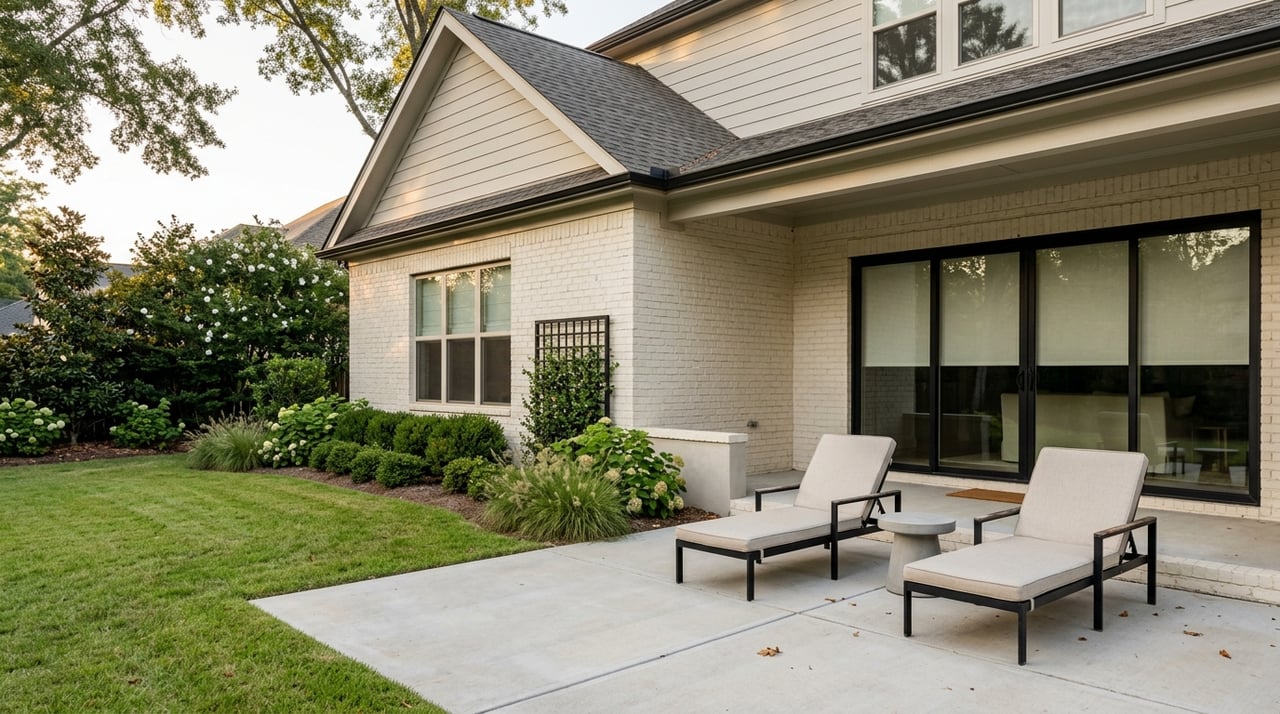
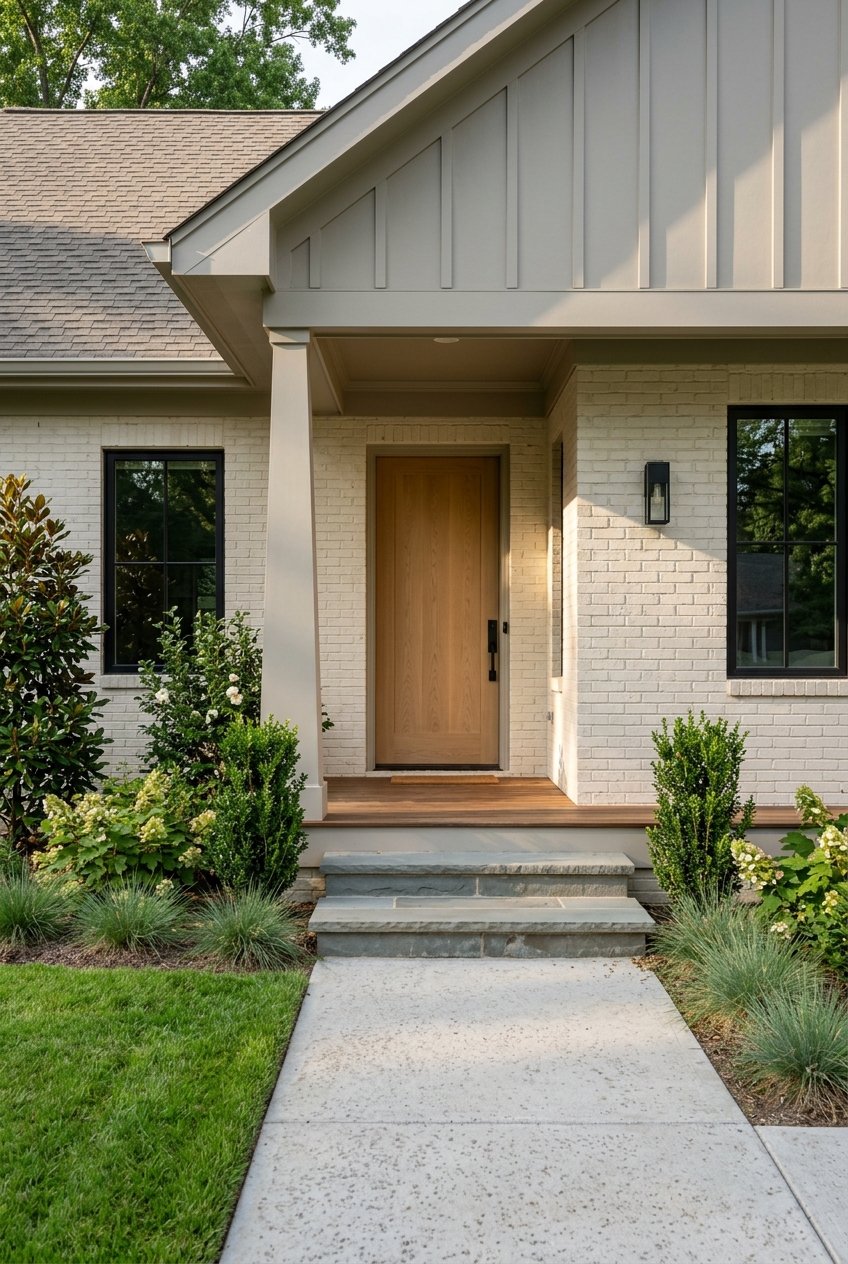
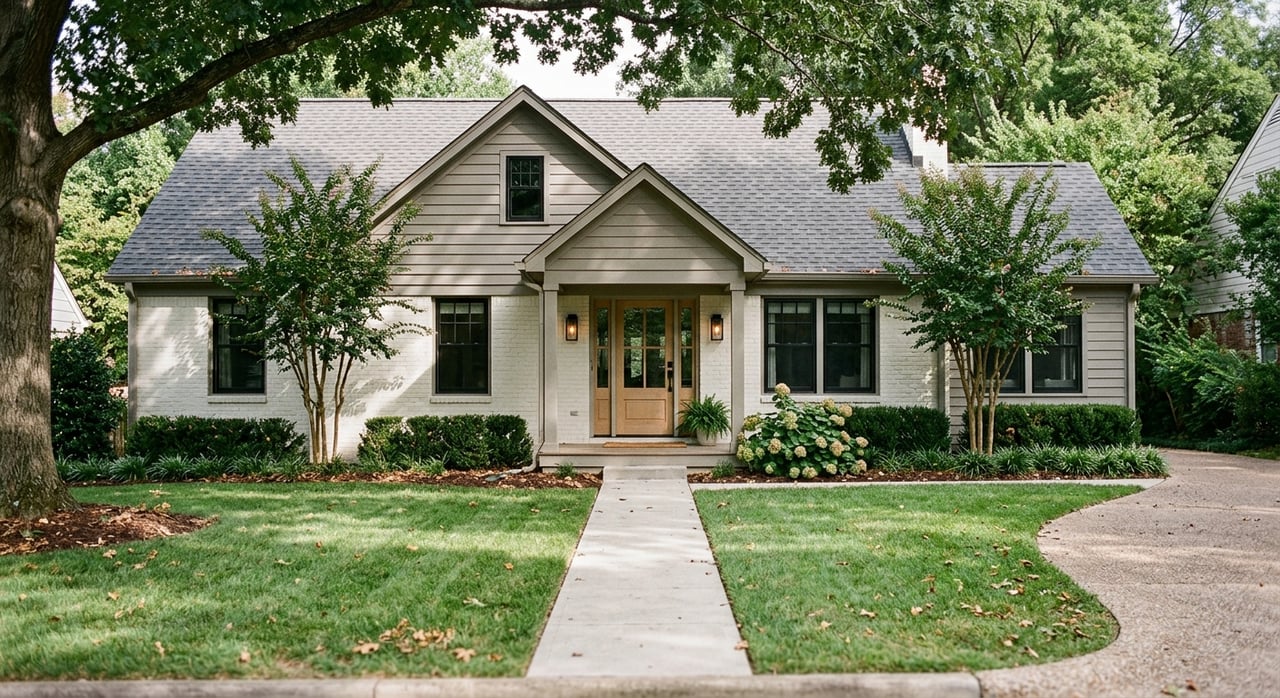
One of the biggest draws of Cary’s established neighborhoods is housing variety. Cary’s housing stock is still led by detached single-family homes, which make up nearly two-thirds of all units, but older neighborhoods often include smaller and more varied homes than newer areas.
The town’s housing plan notes that newer detached homes have grown much larger over time. By comparison, many pre-1990 detached homes in established neighborhoods represent a larger share of the smaller-home market, which can appeal to buyers who want a more modest footprint or a different price point within Cary.
The numbers help tell that story. Cary’s median detached home size is about 2,400 square feet, while attached units average about 1,200 square feet, but older areas can offer more variation than those broad averages suggest.
Expect more variety in architecture
Established Cary does not have just one signature look. Historic resources across town include a Queen Anne cottage, a rare Second Empire-style landmark, and Cary’s oldest known residential structure in a vernacular Federal style.
That same sense of variety carries into older residential areas more broadly. Instead of block after block of one builder plan, you are more likely to notice homes with different ages, shapes, setbacks, and updates.
For some buyers, that creates a stronger sense of individuality. For sellers, it also means pricing and marketing often need a neighborhood-specific approach rather than a one-size-fits-all strategy.
Daily life often centers on convenience
Living in Cary’s established neighborhoods often means you are well connected to the places people use every week. Cary’s planning documents describe a town with both downtown destinations and suburban-scale shopping and commercial areas, so daily errands are not limited to one district.
That can make life feel flexible. You may enjoy a quick trip to a shopping center one day and a walk around downtown Cary another, without feeling cut off from either pattern.
Cary also reports more than 492 miles of sidewalks, which supports a more connected day-to-day routine. In many older areas, that connectivity is part of what makes the neighborhood feel settled and usable.
Greenways are part of real life
In Cary, greenways are not just a weekend bonus. The town says it has more than 107 miles of paved greenways, and its planning materials note that greenways can serve as alternative travelways to workplaces and shopping centers.
That is a major part of the appeal in established neighborhoods near those routes. You may be able to add a walk, run, or bike ride into your day without having to drive to a trailhead first.
Two standout examples are Black Creek Greenway and the American Tobacco Trail. Black Creek Greenway runs 7.1 miles and connects Lake Crabtree to Bond Park, while Cary’s section of the American Tobacco Trail covers 4.7 miles within a larger regional corridor.
Parks shape the lifestyle
If you want outdoor access to be part of your regular routine, Cary’s established neighborhoods have a lot going for them. Fred G. Bond Metro Park is a 310-acre park and one of the largest municipal parks in Wake County.
Hemlock Bluffs Nature Preserve offers a different outdoor experience, with about three miles of mulched nature trails, scenic overlooks, and environmental education programming. Together, these spaces help explain why so many Cary residents build parks and trails into their weekly rhythm.
For you, that can mean more than recreation. It can influence how you spend evenings, weekends, and even short pockets of time during the workweek.
Downtown Cary adds another layer
One thing that sets some of Cary’s older areas apart is their relationship to downtown. Downtown Cary Park creates a seven-acre gathering place in the middle of town, surrounded by Academy, Walker, Park, and Walnut Streets.
That gives established neighborhoods near the core a lifestyle option that feels a little different from a purely suburban pattern. You can enjoy a town-center environment while still living in a residential setting that feels distinctly Cary.
Downtown access is also practical. Cary reports more than 2,000 free parking spaces downtown, plus a fare-free Downtown Loop that connects key destinations.
Commuting is still part of the picture
Cary’s established neighborhoods may feel rooted and local, but they are still part of a commuter-oriented suburb. The town lists bus service, bicycling, walking, driving, and train service among local transportation options, and Amtrak serves Cary Depot in downtown Cary.
Cary also sits next to Raleigh-Durham International Airport and near Raleigh, with Durham and Chapel Hill about 20 miles away. That regional position is a big reason many buyers consider Cary in the first place.
On a daily level, the road system revolves around loops like Cary Parkway and Maynard Road, along with major corridors such as Kildaire Farm Road, Harrison Avenue, Walnut Street, High House Road, Chatham Street, and Old Apex. Census QuickFacts lists Cary’s mean travel time to work at 22.5 minutes, which supports the idea of Cary as a place where regional access matters.
Established does not mean frozen in time
Older neighborhoods in Cary are not museum pieces. They continue to evolve along with the town.
One example is accessory dwelling units, or ADUs. Cary now allows ADUs in all residential zoning districts where detached dwellings are allowed, subject to setbacks, HOA rules, and building code requirements.
For homeowners, that can create more flexibility over time. It may support multigenerational living or add rental possibilities without completely changing the neighborhood’s underlying residential character.
Who tends to like Cary’s established neighborhoods?
These neighborhoods can appeal to a wide range of buyers because they offer a different mix of tradeoffs than newer construction. If you value home variety, mature surroundings, park access, and a location tied into the town’s original fabric, older Cary may stand out.
You may also prefer established Cary if you want a detached home but do not need the larger size that is common in newer subdivisions. Since older homes can vary more from one street to the next, they often reward buyers who look closely at layout, condition, lot use, and long-term fit.
For sellers, established neighborhoods can offer a strong story when marketed well. Buyers often respond to location convenience, housing character, and proximity to downtown, greenways, and parks.
What to keep in mind as a buyer or seller
If you are buying in an established Cary neighborhood, focus on the lifestyle pattern as much as the house itself. Ask yourself how often you would use the greenways, parks, downtown amenities, and regional road access that shape everyday life.
If you are selling, it helps to present your home in a way that highlights what makes older Cary appealing. Thoughtful preparation, strong photography, and a clear neighborhood-specific message can help buyers understand the value beyond square footage alone.
That is where a tailored approach matters. A home in one of Cary’s older neighborhoods often needs different positioning than a similar-size home in a newer subdivision, especially when buyers are comparing style, location, and convenience.
If you are thinking about buying or selling in Cary, working with a team that understands how neighborhood differences affect pricing, preparation, and buyer appeal can make the process feel much more straightforward. The Property Shop Real Estate Co. offers personalized guidance across Cary and the Triangle, with a communication-first approach designed to help you move with clarity and confidence.
FAQs
What are Cary’s established neighborhoods?
- Cary’s established neighborhoods are generally the town’s older residential areas, including the historic downtown core, historic-resource areas, and neighborhoods dating back to the 1950s and 1960s.
What types of homes are common in older Cary neighborhoods?
- Detached single-family homes are the most common housing type in Cary overall, and older neighborhoods often include smaller and more varied detached homes than newer parts of town.
Is daily life in Cary’s established neighborhoods walkable?
- Some routines can feel more walkable or connected, especially near downtown and along sidewalk and greenway networks, but Cary is still largely a suburban town where driving remains part of daily life.
Do Cary’s established neighborhoods have access to parks and trails?
- Yes. Cary has more than 107 miles of paved greenways, major parks like Fred G. Bond Metro Park, and trail assets such as Black Creek Greenway and the American Tobacco Trail.
Is downtown Cary useful for everyday living?
- Yes. Downtown Cary combines a central park, shops and destinations, more than 2,000 free parking spaces, and a fare-free Downtown Loop that can make visits convenient.
Can homeowners add an ADU in Cary neighborhoods?
- Cary allows accessory dwelling units in residential zoning districts where detached dwellings are allowed, subject to setbacks, HOA rules, and building code requirements.