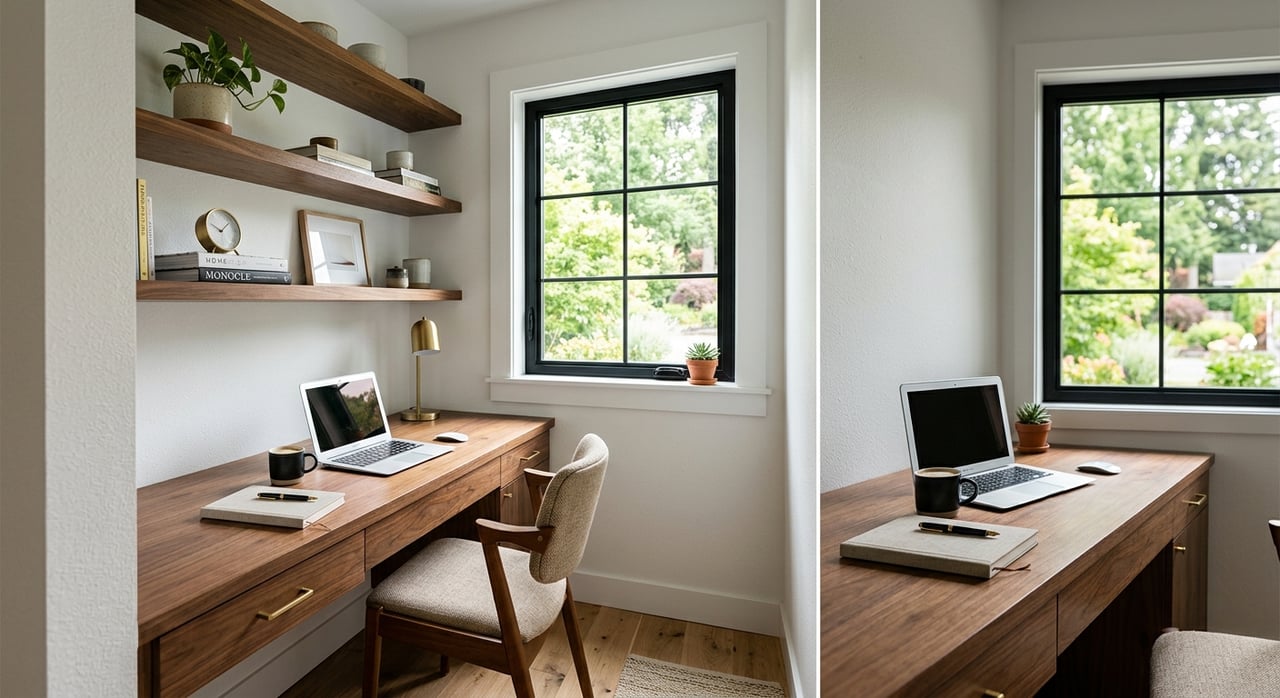
Thinking about where you can live well and work well in the Triangle? If your week includes Zoom calls, home-office hours, and the occasional in-person trip, Wake Forest stands out for a reason. You get a digitally connected community, multiple housing formats, coworking options, and access to parks, downtown amenities, and Raleigh-bound transit. If you are weighing your next move from a place like Knightdale or comparing Triangle suburbs, this guide will help you see how Wake Forest fits a remote or hybrid routine. Let’s dive in.
Why Wake Forest Works for Remote Life
Wake Forest checks many of the boxes remote and hybrid workers care about most. Census data show that 98.3% of households have a computer and 97.8% subscribe to broadband, which points to a community built for connected daily life.
The town also has a 2025 population estimate of 58,147, up 21.1% from 2020. At the same time, 84.0% of residents lived in the same house one year earlier, which suggests a market with both growth and staying power.
For many buyers, that balance matters. You may want a place that feels established enough for day-to-day stability but active enough to offer choices, services, and long-term appeal.
Home Options for Work-From-Home Needs
One of the biggest questions for remote buyers is simple: will the home actually work for your schedule? In Wake Forest, the answer often comes down to flexibility.
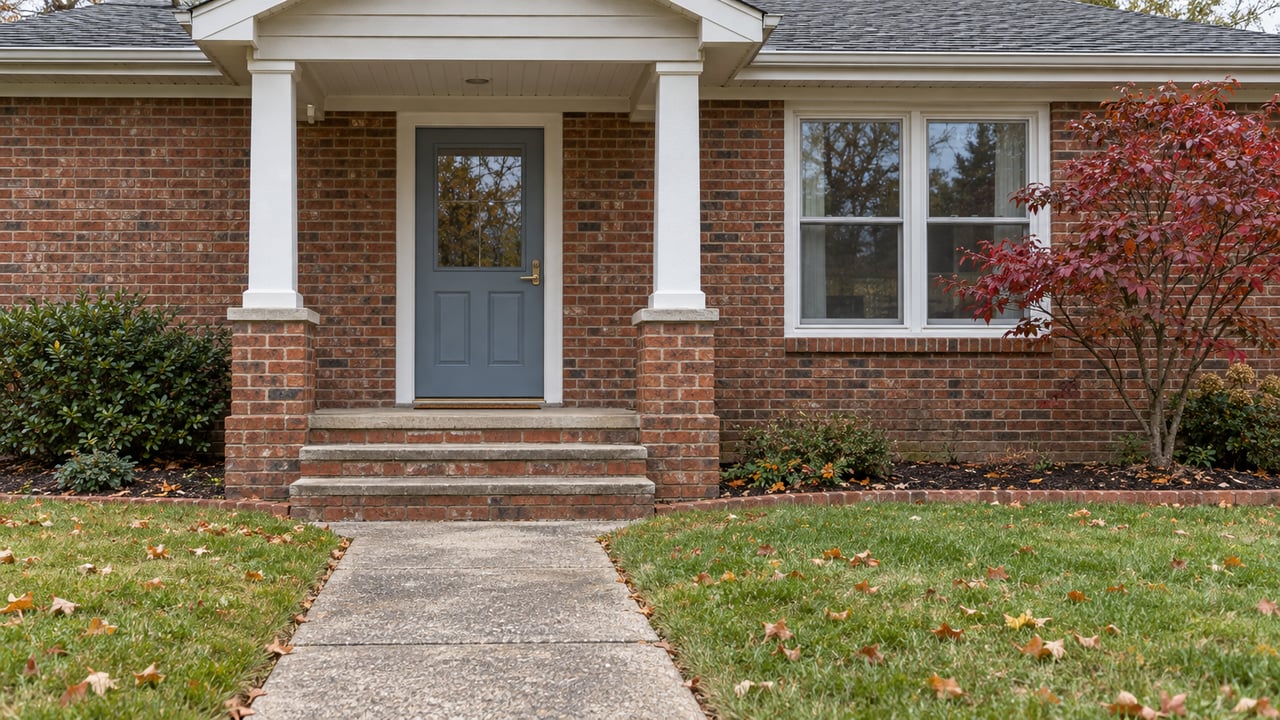
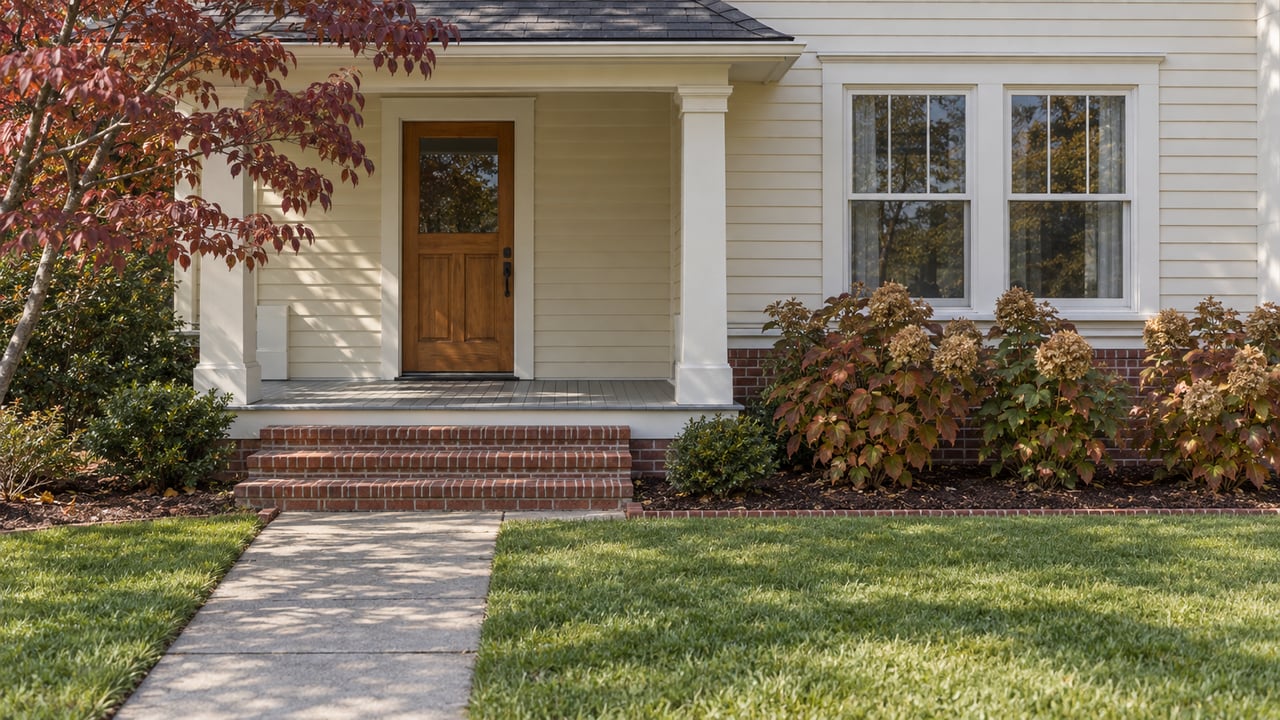
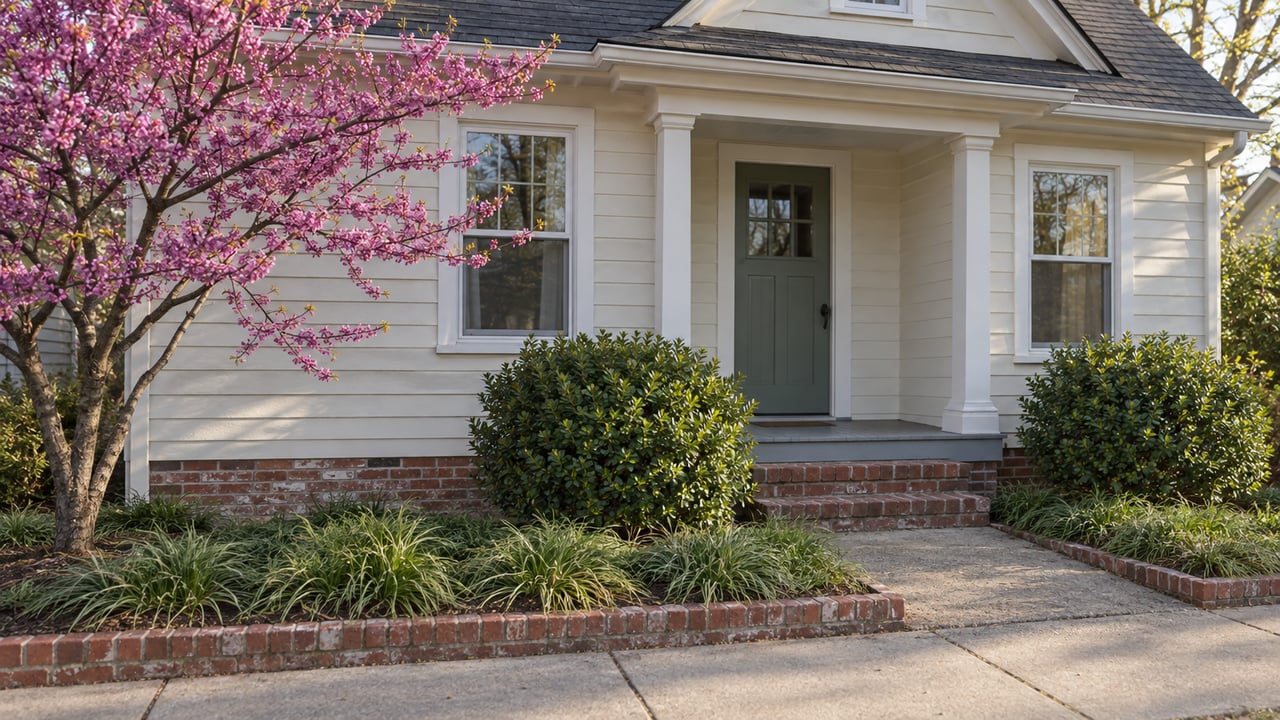
Town subdivision rules allow a range of residential development types, including single-family homes, duplexes, triplexes, townhomes, condominiums, and apartments. That means you are not limited to one housing style when searching for a layout that supports a home office, study nook, loft, or extra bedroom.
This matters because remote work is not one-size-fits-all. You may need a quiet room for calls, a separate guest space that doubles as an office, or a lower-maintenance property that still gives you enough room to focus.
Wake Forest planning materials also describe the town’s evolution from a small rural town to a bustling suburban community. For you, that can translate into a wider mix of home styles and daily-use spaces than you might expect at first glance.
What the Numbers Say About Daily Living
Remote and hybrid buyers often look beyond commute time alone. You may care just as much about household stability, professional connectivity, and whether the town supports the kind of routine you actually live.
Wake Forest’s census profile offers a useful snapshot. Median household income is $123,802, 59.5% of adults have a bachelor’s degree or higher, and 74.0% of housing units are owner-occupied.
Those numbers suggest a community with a sizable share of professional households and long-term residents. For buyers, that can reinforce the idea that Wake Forest is not built around only one traditional commute pattern.
The mean travel time to work is 30.9 minutes. If your schedule is hybrid rather than fully remote, that supports the appeal of having a quieter home base while still keeping in-person workdays within reach.
Coworking Space in Wake Forest
Working from home every day is not always ideal. Some days, you need a polished meeting space, a quieter backdrop, or just a change of scenery.
Wake Forest has a real coworking presence, especially downtown. The Loading Dock offers a downtown coworking location with enterprise WiFi, phone booths for virtual meetings and calls, conference rooms, month-to-month membership options, and access to a broader Triangle network of locations.
Community Coworking also places you in the heart of downtown Wake Forest with open shared space, private locked offices, a shared conference area, free WiFi, drinks, free parking, and 24/7 access. Hatch positions its private offices for growing businesses, remote teams, and professionals.
For hybrid workers, these options can fill an important gap. You can work from home most days and still have a local professional setting when you need one.
Downtown Wake Forest for Laptop Hours
Not every work session needs a formal office. Sometimes you just want to answer emails, prep for a meeting, or spend an hour working between errands.
Wake Forest has launched free public wireless internet in parts of downtown, including outdoor coverage along portions of South White Street, South Brooks Street, and South Taylor Street. The network is free, requires no password, and works in 90-minute sessions.
That setup makes downtown more practical for short work blocks. One listed access point is Wake Forest Coffee Co., and other local spots mentioned in the research include Summer Moon at Grove 98, Be Easy Coffee, and Stewart’s Bistro.
For you, that can mean more flexibility in how you structure the day. A quick coffee stop can double as a productive work window without feeling like a major production.
Parks and Trails Support Better Balance
Remote work is convenient, but it can also blur the line between work time and personal time. That is why outdoor access matters more than many buyers first realize.
Wake Forest’s Parks & Recreation system manages 561 acres of parks, open space, natural land, and trails. It also includes more than 50 miles of developed and undeveloped greenway trails.
E. Carroll Joyner Park alone spans 117 acres and includes three miles of paved walking trails, gardens, fishing, restored farm buildings, and an amphitheater. For a remote or hybrid routine, that kind of access can make lunch breaks, post-call walks, and after-work resets easier to build into your week.
Downtown Wake Forest is also promoted as a walkable destination for locally owned retail, dining, and entrepreneurship. When your workday happens close to home, those nearby options can become part of your everyday rhythm.
Hybrid Commuting to Raleigh
If you only go into the office a few times a week, transportation works differently. You may not need to optimize for a daily downtown commute, but you still want practical access when in-person meetings come up.
Wake Forest offers a few useful transit connections. Go Wake Forest is the town’s on-demand microtransit service, and the Wake Forest-Raleigh Express is an hourly weekday bus with stops in Downtown Wake Forest, Triangle Town Center, and Downtown Raleigh.
Commuter parking is available downtown, and the town’s transportation planning coordinates with broader Raleigh-area transit efforts. For buyers comparing suburban Triangle locations, that adds another layer of flexibility.
In simple terms, Wake Forest can support a home-centered routine without cutting you off from Raleigh. That is often exactly what hybrid buyers want.
Cost and Value in Wake Forest
Wake Forest offers a lot for remote and hybrid households, but it is important to view it clearly. This is not mainly an affordability story.
The median owner-occupied home value is $474,500, which places the town in a higher-value bracket for many buyers. The stronger case for Wake Forest is quality of life, housing flexibility, digital connectivity, and access to everyday amenities that support how you live and work.
If you are comparing Wake Forest with places like Knightdale or other Triangle communities, your decision may come down to priorities. Do you want a home base with strong work-from-home features and a developed downtown environment, even if pricing is not the lowest option?
Who Wake Forest May Fit Best
Wake Forest can be a strong fit if your workweek is flexible but not fully disconnected from the Triangle. It may especially appeal to buyers who want space, structure, and lifestyle convenience in one place.
You may want to look more closely at Wake Forest if you are seeking:
- A home with room for a dedicated office or flex space
- Reliable broadband adoption across the community
- Local coworking options for part-time office use
- Parks and trails that make breaks and exercise easier
- A walkable downtown for coffee, meals, and short work sessions
- Practical access to Raleigh for hybrid workdays
That combination is not easy to find in every suburb. Wake Forest stands out because it brings these pieces together in a way that supports modern routines.
How to Evaluate Wake Forest as a Buyer
If you are seriously considering Wake Forest, try viewing it through the lens of your actual week. Think beyond bedroom count and list price.
Ask yourself practical questions like:
- Where would you take video calls?
- Do you need a second workspace for a partner or roommate?
- Would you use coworking space a few times a month?
- How important are parks, trails, or coffee shops during the workday?
- How often will you need to get to Raleigh?
When you answer those questions honestly, your home search gets sharper. You are not just buying square footage. You are choosing a setup that supports your work, your downtime, and your long-term goals.
If you are exploring Wake Forest, Knightdale, or another Triangle suburb, having a local strategy matters. The right guidance can help you compare layout, location, and lifestyle fit so you move with confidence. When you are ready for personalized help, connect with The Property Shop Real Estate Co. to talk through your next move.
FAQs
Is Wake Forest a good place in the Triangle for remote workers?
- Yes. Research points to strong broadband adoption, multiple housing types, downtown coworking options, public WiFi in parts of downtown, and access to parks, trails, and Raleigh-bound transit.
Are there coworking spaces in Wake Forest for hybrid workers?
- Yes. The research identifies The Loading Dock, Community Coworking, and Hatch as local workspace options in or near downtown Wake Forest.
Can you find homes in Wake Forest with space for a home office?
- Wake Forest allows several residential formats, including single-family homes, duplexes, triplexes, townhomes, condominiums, and apartments, which can give buyers more layout options for office or flex space.
Does downtown Wake Forest have WiFi for short work sessions?
- Yes. The town offers free public WiFi in parts of downtown Wake Forest in 90-minute sessions with no password required.
Is Wake Forest affordable compared with other Triangle areas?
- The research suggests Wake Forest is better positioned around quality of life and flexibility than affordability alone, with a median owner-occupied home value of $474,500.
How can a Knightdale-area buyer compare Wake Forest with other suburbs?
- A smart comparison starts with your real weekly needs, including office space, commute frequency, access to coworking, and the kind of daily environment that helps you work comfortably from home.